Always Tired? Why Low Iron Might Be the Reason
July 8 2026
Feeling constantly tired and low on energy can quietly take over your daily life and wellbeing. Many factors contribute to fatigue, but one of the most overlooked, particularly among women, vegetarians, athletes, and busy professionals, is low iron.
Iron is a mineral found in every cell of the body and is essential for the production of red blood cells and the production of energy. In this post, we’ll look at the link between iron deficiency and fatigue, why testing matters, and practical ways to support your iron levels through food and lifestyle.
Iron is a key component of haemoglobin, the protein in red blood cells that carries oxygen to your tissues so they can produce ATP (adenosine triphosphate), the body’s energy currency. It acts as a vital cofactor in the electron transport chain inside the mitochondria, where most of our energy is generated.
Without enough iron, these processes become less efficient, reducing energy production and potentially leading to fatigue, poor concentration, reduced exercise tolerance, and hair loss. Iron also plays a role in growth, immune function, wound healing, and hormone synthesis.
Iron deficiency, with or without anemia, remains one of the most common nutritional deficiencies worldwide, including in developed countries. It is particularly prevalent among infants and young children, women of reproductive age, and pregnant women.
Recent national data on iron deficiency in Singaporean women is limited. However, older population studies found iron deficiency in approximately 20% of premenopausal women, while screening surveys have suggested rates as high as 50%. A 2015 Sata CommHealth screening of approximately 600 healthy women in Singapore found that nearly half had low iron stores. Iron deficiency is particularly common during pregnancy, with one local study reporting prevalence rates ranging from 37% to 74%, depending on the trimester and diagnostic criteria used. More recently, the 2025 Global Anaemia Action Alliance roadmap estimated that 18.4% of women of reproductive age in Singapore are anaemic. It is important to note that iron deficiency and anaemia are not the same. While iron deficiency is the leading cause of anaemia, anaemia can also result from other conditions, meaning the true prevalence of iron deficiency is likely to be higher than the prevalence of anaemia alone.
Common contributors to low iron include:
Iron deficiency can show up in many ways, and the symptoms are easy to attribute to stress, busy schedules, or poor sleep. Common signs include persistent tiredness, weakness, dizziness, pale skin, hair shedding, brittle nails, breathlessness, headaches, cold hands and feet, and difficulty concentrating.
These symptoms can affect both physical and mental performance, making everyday life feel harder than it should. If they sound familiar, it’s worth investigating before reaching for a supplement.
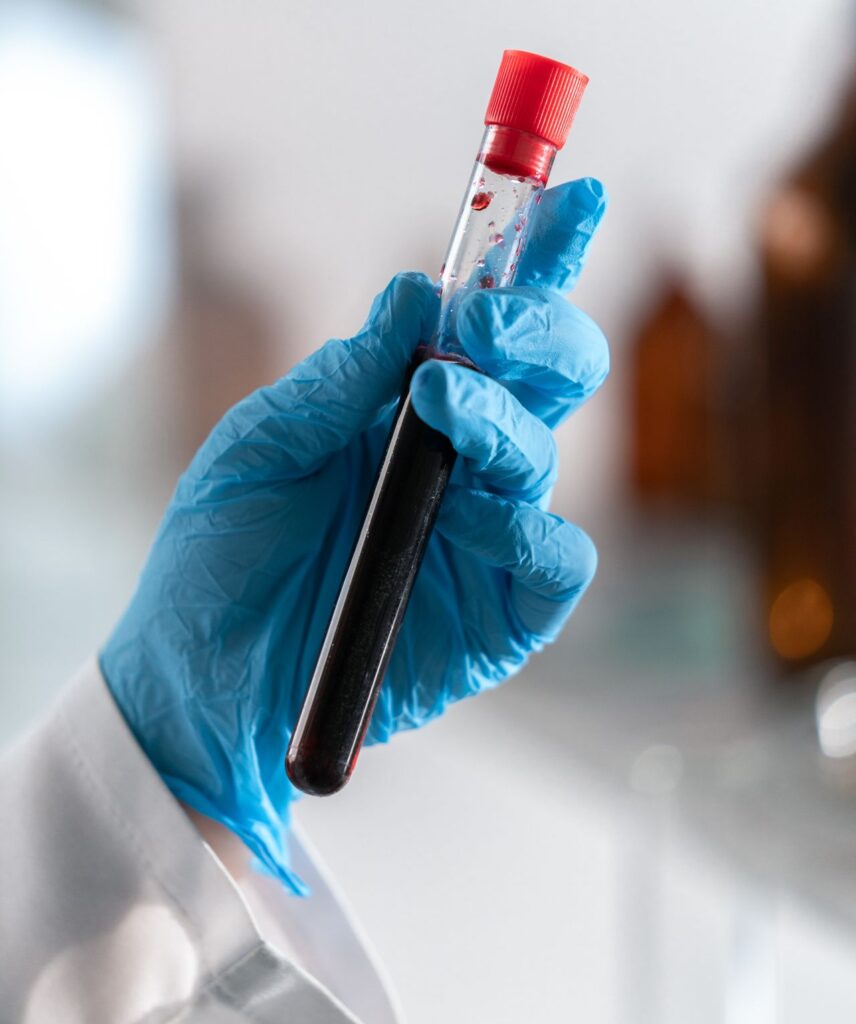
If you suspect low iron, the most useful next step is a blood test. This is especially important if you have any of the risk factors above or follow a vegetarian or vegan diet.
A thorough iron panel typically includes:
I always recommend ensuring ferritin is included, as iron stores are often depleted long before haemoglobin levels begin to fall. It’s also worth checking vitamin B12 and folate, as both are essential for healthy red blood cell production. While iron deficiency causes microcytic anaemia, deficiencies in vitamin B12 or folate can cause macrocytic anaemia, so assessing all three nutrients provides a more complete picture when investigating fatigue or suspected anaemia.
A quick clarification: anaemia is defined by haemoglobin, not ferritin. Low ferritin signals iron deficiency, which can occur well before anaemia develops. Ferritin levels of ≤30 μg/L are generally considered insufficient, while ≥50 μg/L is associated with optimal energy. Research suggests that women with ferritin below 50 μg/L can experience fatigue, with symptoms most pronounced under 30 μg/L.
Dietary iron comes in two forms: haem iron from animal foods, and non-haem iron from both plants and animals. Haem iron is more bioavailable, with absorption rates of around 15–35%, while non-haem iron absorption ranges from 2–20% depending on what you eat alongside it.
The good news: non-haem absorption is highly responsive to how you pair, prepare, and time your meals. Vegetarians and vegans can absolutely meet their iron needs with a thoughtful approach. Your body also self-regulates, increasing absorption when stores are low and reducing it when stores are high.
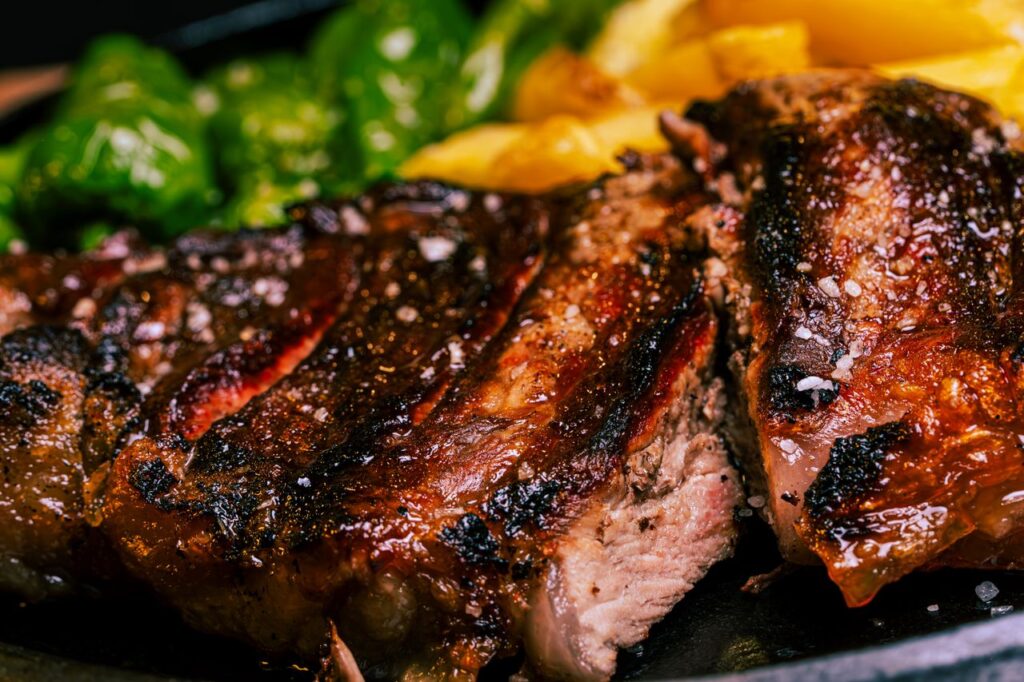
Build meals around iron-rich foods. Some standout options:
| Food | Portion | Iron (mg) |
| Canned clams | 85 g | 23.8 |
| Oysters | 85 g | 13.2 |
| Chicken liver | 85 g | 10.8 |
| Tofu (firm) | 100 g | 8.0 |
| White beans | 100 g | 5.8 |
| Beef liver | 85 g | 5.2 |
| Cream of wheat | 64 g | 5.2 |
| Soybeans | 64 g | 4.4 |
| Pumpkin seeds | 28 g | 4.2 |
| Lentils | 64 g | 3.5 |
| Spinach | 64 g cooked | 3.0 |
| Lamb | 85 g | 3.0 |
| Quinoa | 125 g | 2.8 |
| Pork | 85 g | 2.7 |
| Soy milk | 300 ml | 2.7 |
| Shrimp | 85 g | 2.6 |
| Chickpeas | 100 g | 2.4 |
| Beef (ground) | 85 g | 2.2 |
| Almonds | 32 g | 1.3 |
| Salmon | 100 g | 1.3 |
Source: Firdose & Firdose (2021), Dietary Iron, IntechOpen.
Boost non-haem absorption by combining iron-rich foods with:
A few tasty plant-based combinations:
Please don’t take an iron supplement without first checking your levels. Iron is a pro-oxidant, and unlike most minerals, the body has no efficient way to excrete excess. Taking high-dose iron unnecessarily can create imbalances and potentially impact other nutrients such as copper.
For most healthy people, eating a balanced diet, iron overload from food is not a concern, particularly when iron-rich foods are consumed alongside antioxidant-rich plant foods. The roughly 8 mg of iron found in many multivitamins is generally safe. The high-dose iron tablets are a different matter and should only be taken under guidance from a qualified practitioner who has reviewed your bloodwork.
Please consult your GP, dietitian, or haematologist if you experience:
Can I get enough iron on a vegan diet?
Yes, with planning. Include iron-rich plant foods at every meal, pair with vitamin C, and consider checking your ferritin annually.
How long does it take to recover from low iron?
Energy often improves within two to four weeks of treatment, but rebuilding ferritin stores typically takes three to six months.
Why is my haemoglobin normal but my ferritin low?
Ferritin reflects iron stores, which drop first. You can be iron-deficient and symptomatic well before anaemia develops.
Does cooking in cast iron really help?
Yes, especially with acidic dishes like tomato sauce. The boost is small but cumulative.
Iron deficiency is one of the most common but easily missed causes of fatigue. Understanding iron’s role, recognising the symptoms, and knowing when to seek testing can make a real difference to how you feel day to day. With the right food choices, smart pairings, and a few lifestyle adjustments, you can naturally and sustainably support your levels.
If you’d like personalized guidance, I’d love to help.
Ready to feel like yourself again?
Book a complimentary 10-minute discovery call to talk through your symptoms and find out whether functional nutrition support is right for you.
Jessica Woodruff is the founder of MindNourish Nutrition, a Singapore-based functional nutrition practice that works alongside doctors and psychologists to support women’s mental and physical well-being through evidence-based nutrition.
Disclaimer: This article is for educational purposes only and is not a substitute for medical advice. Please consult a qualified healthcare professional before starting any supplement or making significant dietary changes, particularly if you are pregnant, breastfeeding, or managing a health condition.
References: Firdose & Firdose (2021), Dietary Iron, IntechOpen; Loy et al. (2019), BMC Public Health 19:397; The Lancet Haematology Anaemia Roadmap (2025); Sata CommHealth Screening Survey (2015); Centre for Clinical Haematology Singapore.
Bloating after every meal. Excessive gas.... Read more
Walk into any supermarket, and you'll fi.... Read more
Most of us know calcium is important for.... Read more
When most people think about mental heal.... Read more
If you've been searching for an "ADHD di.... Read more