Calcium 101: How Much You Really Need (and Where to Get It)
July 8 2026
Most of us know calcium is important for strong bones, but it does far more than that, and most adults, particularly women, aren’t paying enough attention to it until something goes wrong.
Here’s the part that often gets missed: the bone you build in your twenties and thirties is the bone you’ll draw on for the rest of your life. From the mid-thirties onwards, bone density gradually declines, and for women, that decline accelerates sharply around menopause when oestrogen drops. By the time a fracture happens, bone loss is usually well underway.
The good news is that bone health is influenced by several lifestyle factors, many of which are within your control. Adequate calcium intake is one of the most important, but vitamin D, protein, regular weight-bearing and resistance exercise, and avoiding smoking also play key roles.
In this post, we’ll explore what calcium does in the body, how much you need, where to get it (with and without dairy), when supplementation is appropriate, and how it fits into an overall strategy for maintaining strong, healthy bones.
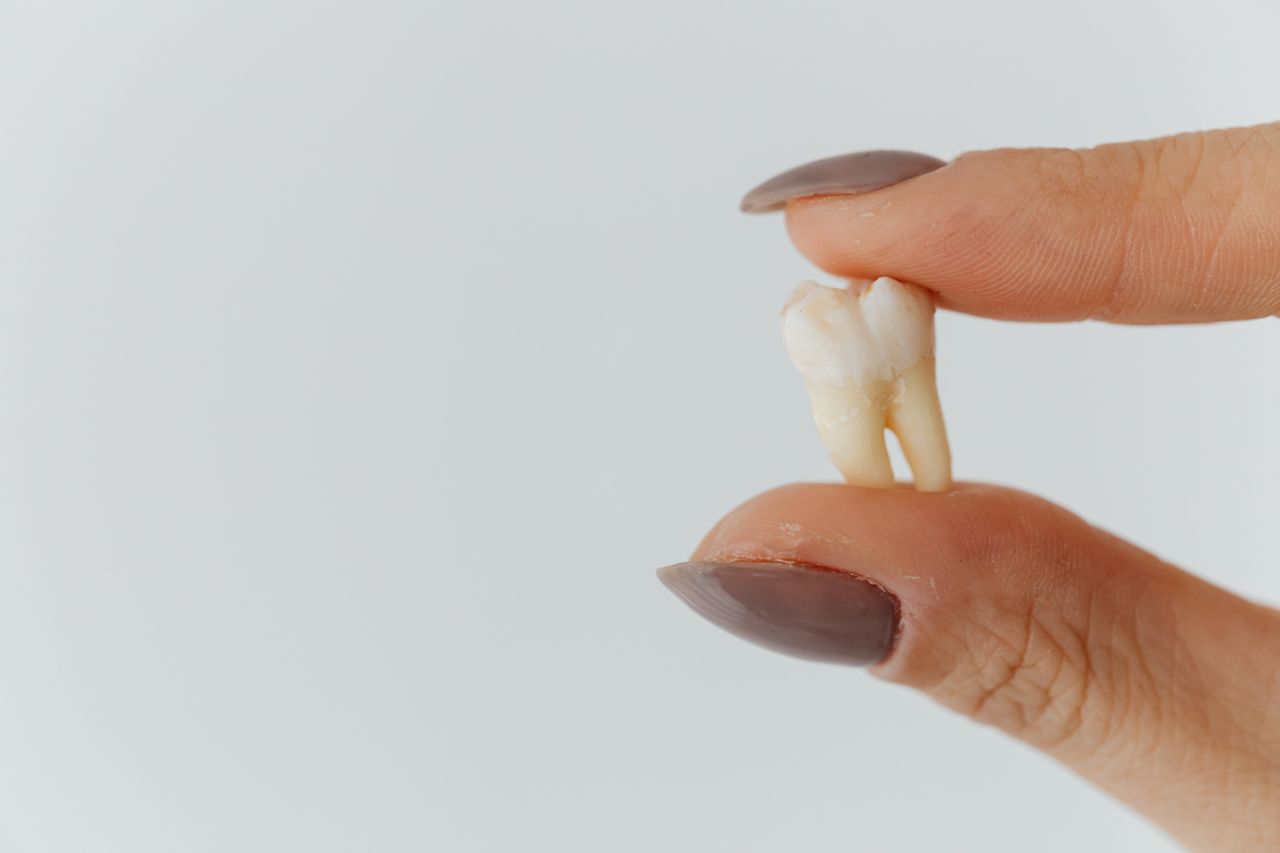
Around 99% of the body’s calcium is stored in your bones and teeth, where it provides structural strength. The remaining 1% has an outsized job description: it helps your muscles contract (including your heart), supports nerve signalling, plays a role in blood clotting, and contributes to hormone release and blood vessel function.
Because these functions are non-negotiable, your body keeps blood calcium within a tight range at all times. If dietary intake falls short, it borrows from the bones to make up the difference. Over years, that quiet withdrawal is what leads to thinning bones and a higher fracture risk later in life.
Calcium doesn’t work alone. Several other nutrients are essential for bone health:
This is why a varied, whole-food diet does more for your bones than any single supplement.
The Singapore Recommended Dietary Allowance (RDA) for calcium is:
| Age group | RDA |
| Children (1–3 years) | 500 mg |
| Children (4–6 years) | 600 mg |
| Children (7–9 years) | 700 mg |
| Adolescents (10–18 years) | 1,000 mg |
| Adults (19–50 years) | 800 mg |
| Adults (51 and above) | 1,000 mg |
| Pregnant or breastfeeding | 1,000 mg |
These targets account for typical absorption, day-to-day losses, life stage, and population variability, so they already build in a margin.
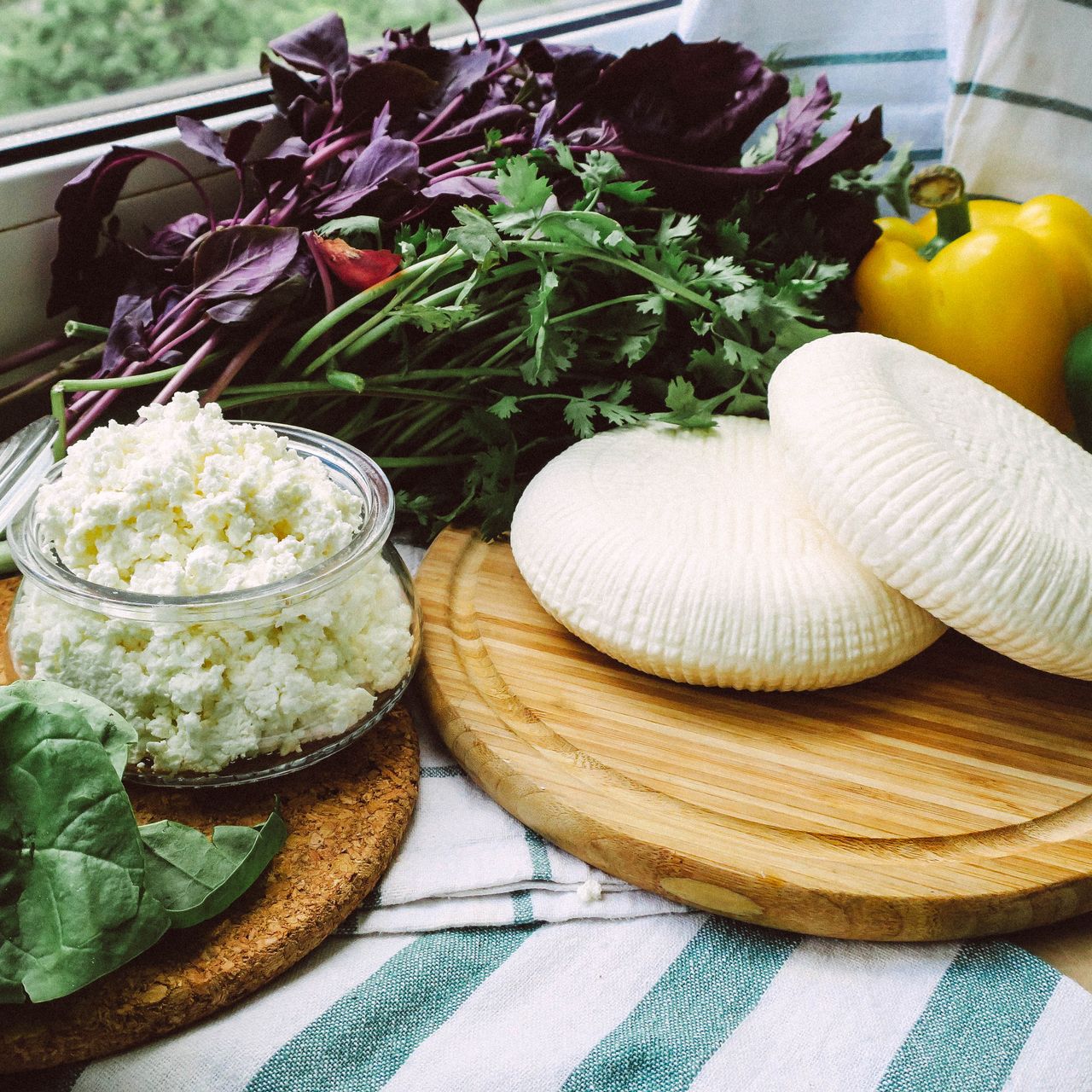
Dairy is the most concentrated and well-absorbed dietary source of calcium, providing around 30% absorption alongside protein, potassium, and phosphorus. A glass of milk, a tub of yoghurt, or a small piece of hard cheese each delivers around 250–300 mg. Worth noting: full-fat dairy appears to have a more neutral effect on LDL cholesterol than butter or fatty meats, likely because of the unique dairy food matrix and the calcium, protein, and other nutrients it contains.
That said, calcium is widely available in plant foods too, so vegans and those who avoid dairy can absolutely meet their needs with planning.
| Food | Serving | Calcium (mg) | Absorbed (mg) |
| Milk | 240 g | 300 | 96 |
| Calcium-set tofu | 126 g | 258 | 80 |
| Bok choy | 85 g | 79 | 43 |
| Kale | 85 g | 61 | 30 |
| Broccoli | 71 g | 35 | 18 |
| White beans | 110 g | 113 | 21 |
| Almonds | 28 g | 75 | 15 |
| Tahini | 30 g | 130 | 26 |
| Fortified plant milk | 240 g | 300 | 90 |
| Spinach* | 85 g | 115 | 6 |
*Spinach is high in calcium but also high in oxalates, which bind calcium and limit absorption. The same applies to rhubarb and Swiss chard. These are still nutritious foods, just not reliable sources of calcium.
A few easy combinations that build calcium into everyday meals:
If you eat a varied diet that includes a couple of calcium-rich foods at each main meal, you’ll usually land within range without thinking about it too hard.

Calcium is important throughout life, but it deserves extra attention during and after menopause. As oestrogen declines, bone loss accelerates, increasing the risk of osteopenia and osteoporosis. Adequate calcium, alongside vitamin D and regular resistance training, helps maintain bone mineral density and may reduce fracture risk and preserve independence as women age.
The earlier this becomes a priority, the better. Building strong bones starts in childhood and adolescence, and protecting them becomes the focus from the mid-thirties onwards. By the time menopause arrives, you want calcium intake to already be a well-established habit.
The 2020 EPIC-Oxford study, which followed nearly 55,000 people for an average of 17.6 years, found that vegans had higher rates of total and hip fractures compared with meat eaters. Importantly, the researchers concluded that this increased risk was largely explained by lower calcium and protein intakes and lower BMI, rather than the absence of meat itself.
In other words, a well-planned plant-based diet that meets calcium and protein needs is not a problem for bone health. A poorly planned one is. If you’re vegan or vegetarian, building meals around fortified plant milks, calcium-set tofu, leafy greens, beans, almonds, and tahini will go a long way.
Calcium is one of the few nutrients for which a blood test isn’t very useful for assessing intake. Because the body tightly regulates blood calcium (drawing from bone if needed), serum levels stay within range even when dietary intake is poor.
To assess bone health, the gold standard is a DEXA scan, which measures bone mineral density and can identify osteopenia or osteoporosis well before a fracture occurs. It’s particularly worth considering for postmenopausal women, adults over 65, and anyone with risk factors such as a history of fractures, low body weight, long-term steroid use, or certain medical conditions. Most women should consider a baseline DEXA scan between the ages of 45 and 65, depending on personal risk factors.
Generally, no, not without speaking to a professional first. A food-first approach is almost always preferable because calcium from food comes packaged with the protein, magnesium, and other nutrients that bones rely on. Excess calcium from supplements can also cause side effects and may interact with medications.
Supplementation is often appropriate when bone health is already compromised, when intake is consistently very low, or when specific risk factors are present. A qualified nutritionist or dietitian can review your diet and help you decide whether supplementation is genuinely needed and at what dose.
Consider seeing your GP, dietitian, or nutritionist if you:
Can I get enough calcium without dairy?
Yes. Calcium-set tofu, fortified plant milks, leafy greens, beans, tahini, and almonds can comfortably get you to 800 mg/day with a bit of planning.
Do I need a calcium supplement?
For most people, eating a balanced diet, no. Supplementation should be decided by a professional after reviewing your usual intake and risk factors.
Which is more important for bones, calcium or vitamin D?
Both. Vitamin D is essential for calcium absorption, so adequate calcium intake without sufficient vitamin D won’t fully support bone health.
Does coffee or tea reduce calcium absorption?
Moderate caffeine intake can slightly increase calcium loss in the urine (around 2–3 mg per cup of coffee), but this amount is small and is unlikely to affect bone health if your calcium intake is adequate.
Calcium is one of those nutrients where small daily habits add up over decades. Building strong bones early, protecting them through midlife, and prioritising them through menopause and beyond are among the most worthwhile investments you can make in your long-term independence and quality of life.
If you’d like personalised guidance on whether your diet is meeting your needs, I’d love to help.
Ready to feel confident about your nutrition?
Book a complimentary 10-minute discovery call to talk through your goals.
Jessica Woodruff is the founder of MindNourish Nutrition, a Singapore-based functional nutrition practice that works alongside doctors and psychologists to support women’s mental and physical well-being through evidence-based nutrition.
Disclaimer: This article is for educational purposes only and is not a substitute for medical advice. Please consult a qualified healthcare professional before starting any supplement or making significant dietary changes.
References: Tong et al. (2020), Vegetarian and vegan diets and risks of total and site-specific fractures: results from the prospective EPIC-Oxford study, BMC Medicine 18:353; Rozenberg et al. (2016), Effects of Dairy Products Consumption on Health: Benefits and Beliefs, Calcified Tissue International 98:1–17; HealthHub Singapore, Recommended Dietary Allowances (2022).
Bloating after every meal. Excessive gas.... Read more

Walk into any supermarket, and you'll fi.... Read more
Feeling constantly tired and low on ener.... Read more
When most people think about mental heal.... Read more
If you've been searching for an "ADHD di.... Read more