SIBO: Symptoms, Causes, Testing, and Treatment Explained
July 31 2026
Bloating after every meal. Excessive gas. Constipation or diarrhoea that never quite settles. Brain fog, fatigue, and food intolerances that seem to appear out of nowhere.
If this sounds familiar, you’ve probably come across SIBO while searching for answers and possibly convinced yourself it’s the cause of everything.
Here’s my honest take. Over the past few years, SIBO (Small Intestinal Bacterial Overgrowth) has become one of the most talked-about conditions in digestive health. It’s a genuine, recognised medical condition, but it’s also one of the most overdiagnosed on social media. The truth sits in the middle: SIBO is a real driver of symptoms for some people, but not everyone with bloating has it.
I’m Jessica, a functional medicine nutritionist, and gut health is one of the areas I’m most often asked about. This article walks through what SIBO actually is, how it’s properly diagnosed, and what genuinely helps, without the fear and restriction that so often come with it.
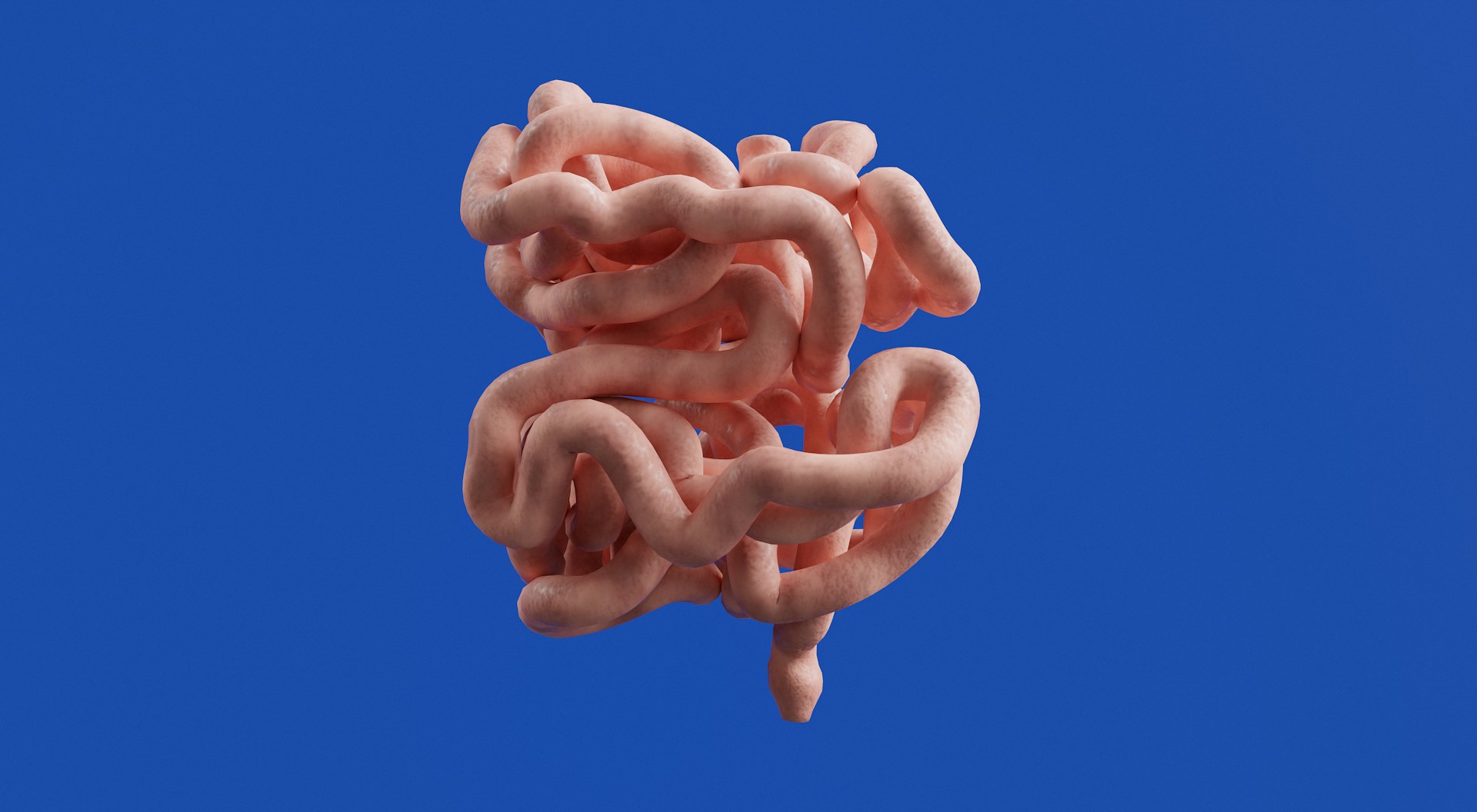
Normally, relatively few bacteria live in the small intestine. The vast majority of our gut microbes belong in the large intestine, where they ferment dietary fibre, produce beneficial short-chain fatty acids, synthesise vitamins, and support immune function.
SIBO occurs when excessive numbers of bacteria colonise the small intestine, where they begin fermenting carbohydrates before they should. This produces excess hydrogen, methane, and sometimes hydrogen sulphide gas, which can lead to bloating, abdominal distension, excessive gas, pain or discomfort, and diarrhoea, constipation, or alternating bowel habits.
One of the body’s key protective mechanisms is the Migrating Motor Complex (MMC), often described as the gut’s “housekeeping wave”. Between meals, it sweeps bacteria and undigested food through the small intestine. When this process slows down, bacteria have more opportunity to accumulate where they shouldn’t, which is why gut motility sits at the heart of SIBO.

SIBO rarely develops without an underlying reason. Risk is higher in people with irritable bowel syndrome (particularly following food poisoning), diabetes, hypothyroidism, coeliac disease, previous abdominal surgery, structural abnormalities of the digestive tract, reduced gut motility, or certain connective tissue disorders. Long-term proton pump inhibitor (PPI) use may also contribute in some individuals.
Symptoms vary considerably but commonly include persistent bloating, abdominal distension, excessive burping, flatulence, discomfort, diarrhoea, constipation (particularly methane-dominant SIBO), nausea, and feeling excessively full after eating.
Some people also notice symptoms beyond the gut, including fatigue, brain fog, poor concentration, nutrient deficiencies, unintentional weight loss, and skin problems. Crucially, none of these symptoms are unique to SIBO, and all can occur in many other conditions.
Yes. When excessive bacteria compete with the body for nutrients, deficiencies can develop over time, particularly in vitamin B12, iron, calcium, and the fat-soluble vitamins (A, D, E, and K), and, less consistently, in magnesium. In more severe cases, fat malabsorption may occur, which helps explain why some people feel persistently fatigued despite eating what appears to be a healthy diet.
The most commonly used test is a hydrogen and methane breath test. After drinking a sugar solution (usually glucose or lactulose), breath samples are collected over several hours to measure gas production.
Breath testing is useful but not perfect. False positives and false negatives both occur, which is why results should always be interpreted alongside your symptoms, medical history, and clinical assessment. SIBO should never be diagnosed from symptoms or a social media checklist alone.
Definitely not. Bloating is one of the most common digestive complaints and has many possible causes, including IBS, constipation, coeliac disease, lactose intolerance, fructose malabsorption, a high intake of fermentable carbohydrates (FODMAPs), functional bloating, gut dysbiosis, endometriosis, ovarian conditions, and inflammatory bowel disease.
A diet high in ultra-processed foods can also drive bloating. These foods tend to be low in fibre and high in refined carbohydrates, sugar alcohols, emulsifiers, and additives, and may negatively shape the gut microbiome over time. Diets built on whole, minimally processed foods tend to support a healthier, more diverse microbiome.
This is exactly why self-diagnosis is risky. A proper medical assessment is essential to identify the real cause and the most appropriate treatment.
You’ll often hear “dysbiosis” mentioned alongside SIBO, but they aren’t the same thing. Dysbiosis refers to an imbalance in the composition or function of the microbiome, generally in the large intestine, whereas SIBO is a bacterial overgrowth in the small intestine.
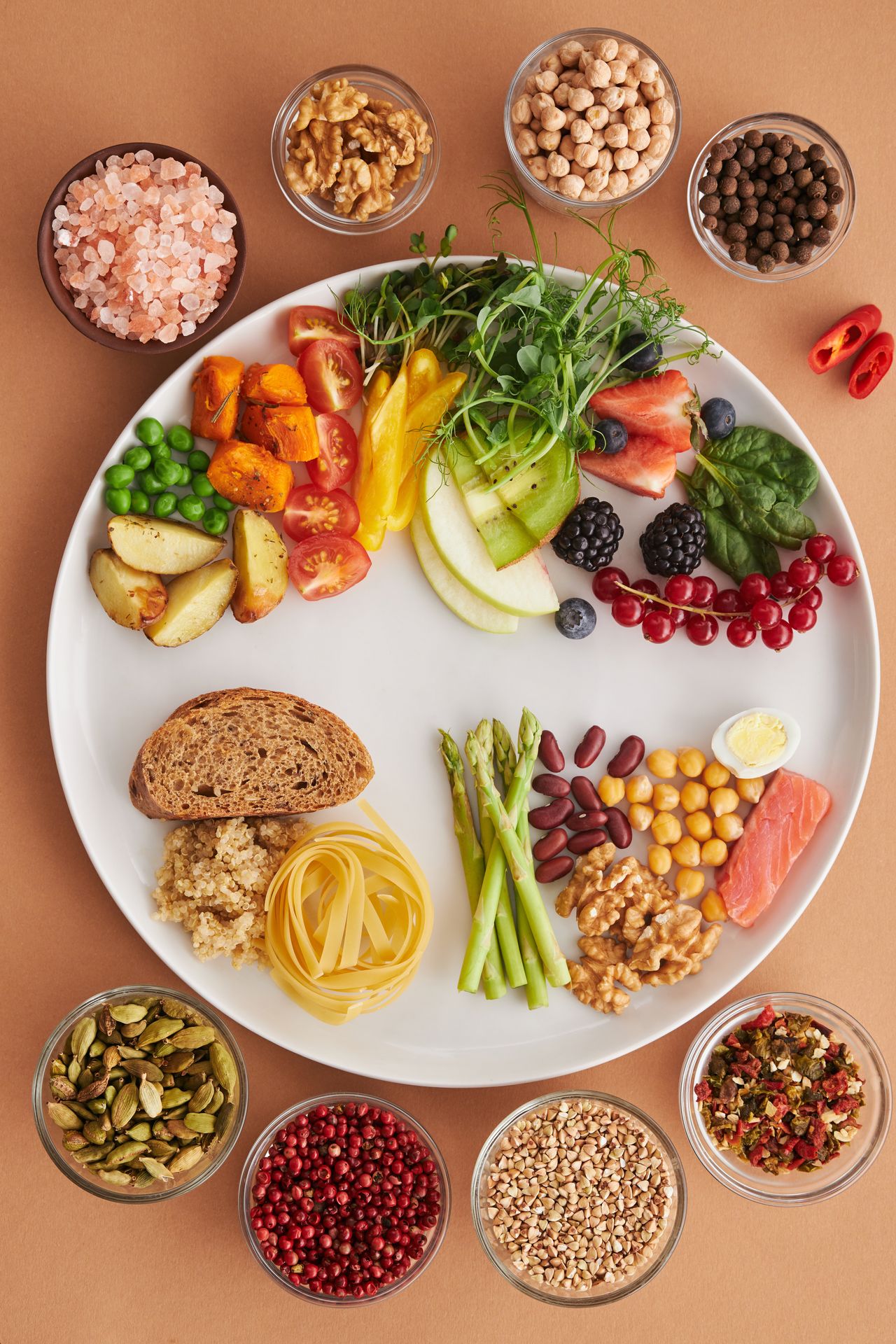
Diet is one of the strongest influences here: plenty of vegetables, fruit, legumes, whole grains, nuts, seeds, herbs, spices, and fermented foods is associated with greater diversity and better gut health. Like SIBO, dysbiosis isn’t a standalone diagnosis and must be interpreted in context.
Diet plays an important role in managing symptoms, but diet alone rarely “cures” SIBO.
The low-FODMAP diet is the most well-studied dietary approach for SIBO and IBS symptoms. Temporarily limiting highly fermentable carbohydrates, it can reduce gas, bloating, pain, and diarrhoea while medical treatment is underway. Importantly, it doesn’t eliminate the overgrowth itself; it simply reduces the fermentable fuel available to bacteria.
Because FODMAPs also feed beneficial bacteria, this diet should only be followed for the short term and under professional guidance. Long-term restriction can reduce microbial diversity and harm gut health, so foods should be systematically reintroduced once symptoms improve.
You may also come across the Biphasic Diet (developed by naturopath Dr Nirala Jacobi), which combines low-FODMAP principles with further carbohydrate restriction during treatment, or, in select cases, an elemental diet: a nutritionally complete liquid formula absorbed high in the small intestine so little reaches the bacteria below.
A 2–3 week elemental diet can significantly reduce overgrowth in some people, but it’s expensive, difficult to tolerate, and reserved for cases where antibiotics have failed or aren’t appropriate.
Medical treatment often involves antibiotics such as rifaximin, currently the most studied option for hydrogen-predominant SIBO. Methane-predominant SIBO (intestinal methanogen overgrowth, or IMO) may require combination antibiotic therapy. Nutrition and lifestyle are valuable partners to this, not replacements for appropriate medical care.
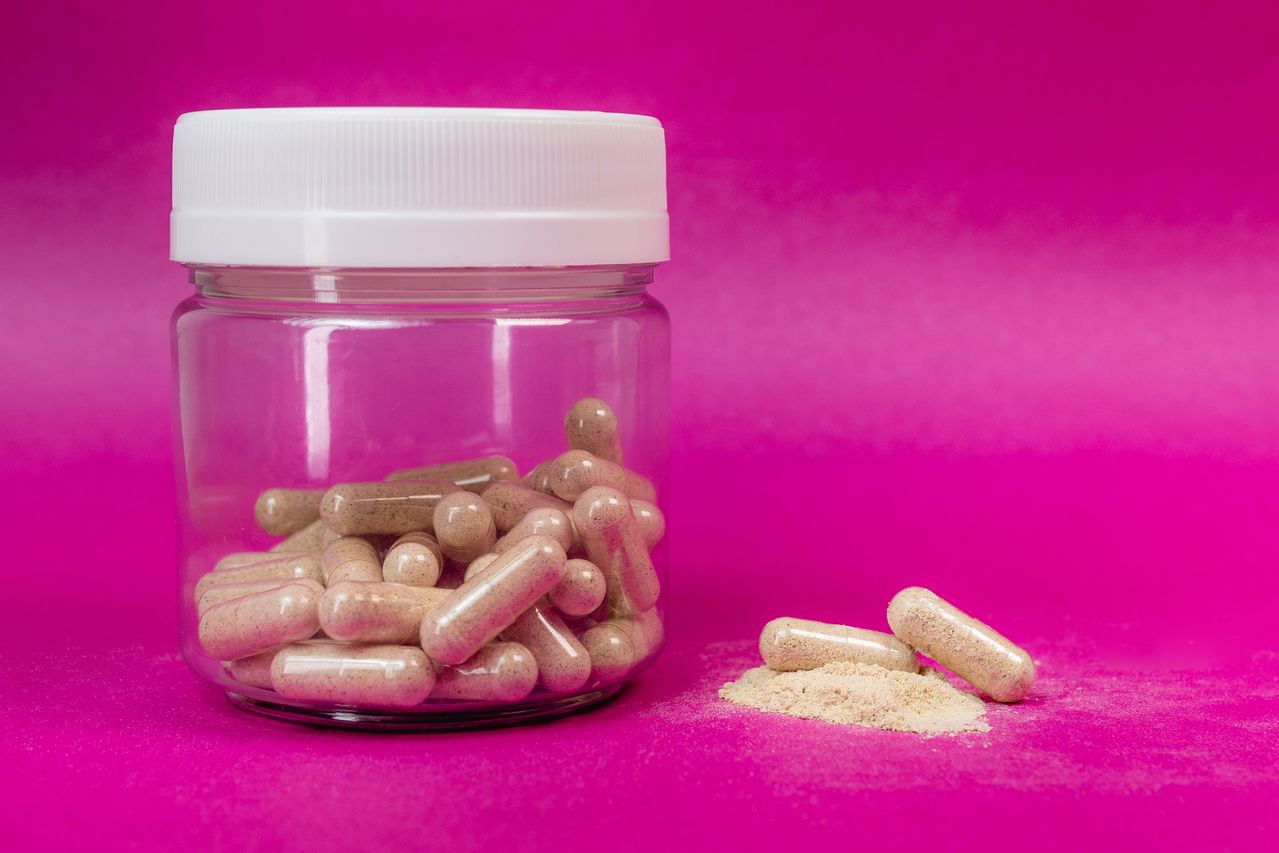
Where supplements have a role, they support the process rather than fix it on their own. This may include correcting confirmed deficiencies (B12, iron, vitamin D, calcium, magnesium, ideally guided by blood tests), carefully chosen probiotics (some strains can worsen SIBO, so timing and type matter), and prokinetic agents after treatment to support the MMC and reduce recurrence. Herbal antimicrobials such as berberine, oregano oil, allicin, and neem are used by some practitioners alongside or instead of antibiotics, but the evidence base is smaller and product quality varies, so they should only be used under professional guidance.
No single supplement prevents recurrence. Lasting success comes from treating the underlying cause, correcting deficiencies, supporting motility, and rebuilding a diverse, fibre-rich diet once treatment is complete.
The gut and brain are in constant conversation through the gut–brain axis, a network that involves the vagus nerve, immune signalling, hormones, and microbial metabolites such as short-chain fatty acids. It’s little surprise, then, that people with SIBO frequently report brain fog, fatigue, and poor concentration, likely driven by chronic symptoms, inflammation, altered signalling, and nutrient deficiencies rather than SIBO itself.
The relationship runs both ways. Living with unpredictable bloating and bowel habits is genuinely stressful and can fuel anxiety around eating and social situations, while chronic stress alters gut motility and heightens sensitivity. Nutrition won’t treat anxiety or depression, but supporting gut health, correcting deficiencies, and keeping blood sugar stable can all support wellbeing alongside appropriate medical and psychological care.
Does everyone with bloating have SIBO?
No. Bloating has many causes, including IBS, constipation, food intolerances, coeliac disease, and endometriosis. SIBO is just one possibility among many.
Will a low-FODMAP diet cure SIBO?
No. It can temporarily ease symptoms, but it doesn’t eliminate the overgrowth or address why it developed in the first place.
Do I need probiotics?
Not necessarily. Probiotics help some people and worsen symptoms in others, so strain and timing should be individualised.
Can a stool test diagnose SIBO?
No. Stool tests assess the large intestine and can’t detect overgrowth in the small intestine. Breath testing remains the standard non-invasive tool.
Once treated, will SIBO come back?
It can. Recurrence is common if underlying issues like impaired motility, constipation, or structural problems aren’t addressed, which is exactly why root-cause treatment matters.
Seek medical assessment for persistent bloating, diarrhoea, or constipation, and promptly for any “red flag” symptoms: unexplained weight loss, blood in the stool, iron deficiency anaemia, or severe abdominal pain. These can have many causes and should be properly evaluated before assuming SIBO is responsible.
SIBO is a real condition that can significantly affect quality of life, but it’s best approached with balance rather than fear. Successful treatment isn’t about permanently cutting carbohydrates, avoiding dozens of foods, or taking endless supplements. It’s about identifying the underlying cause, restoring your nutritional status, supporting healthy gut function, and gradually rebuilding a resilient, diverse microbiome.
The goal isn’t just fewer symptoms. It’s a digestive environment that supports your long-term gut health and overall well-being.
If you’d like help working out what’s actually driving your symptoms, I’d love to chat.
Ready to feel calmer, lighter, and more in control of your gut?
Book a complimentary 10-minute discovery call to talk through your goals.
Jessica Woodruff is the founder of MindNourish Nutrition, a Singapore-based functional nutrition practice that works alongside doctors and psychologists to support women’s mental and physical well-being through evidence-based nutrition.
Disclaimer: This article is for educational purposes only and is not a substitute for medical advice or diagnosis. SIBO requires proper medical assessment, and nutrition should complement, not replace, appropriate medical treatment. Please consult a qualified professional before starting any supplement, elimination diet, or significant dietary change.
References: Pimentel M, Saad RJ, Rao SSC, et al. (2020), ACG Clinical Guideline: Small Intestinal Bacterial Overgrowth, American Journal of Gastroenterology 115:165–178; Rezaie A, et al. (2017), Hydrogen and Methane-Based Breath Testing in Gastrointestinal Disorders: The North American Consensus, American Journal of Gastroenterology; Ghoshal UC, et al. (2020), The Gut Microbiota and Small Intestinal Bacterial Overgrowth, Journal of Gastroenterology and Hepatology; Cryan JF, O’Riordan KJ, Cowan CSM, et al. (2019), The Microbiota–Gut–Brain Axis, Physiological Reviews 99(4):1877–2013; Dinan TG, Cryan JF (2017), The Microbiome–Gut–Brain Axis in Health and Disease, Gastroenterology Clinics of North America 46(1):77–89.

Walk into any supermarket, and you'll fi.... Read more

Most of us know calcium is important for.... Read more
Feeling constantly tired and low on ener.... Read more

When most people think about mental heal.... Read more
If you've been searching for an "ADHD di.... Read more